Smart Ways to Budget for Baby Clothes - Baby Clothes Savings Tips
Welcoming a new baby is an exciting time filled with joy and anticipation. One of the first things on many parents' minds is how to dress their little one comfortably and stylishly without breaking the bank. Baby clothes can add up quickly, but with some smart planning and a few insider tips, you can save money and still provide everything your baby needs. I’m here to share practical, friendly advice to help you stretch your budget while keeping your baby cozy and cute.
Baby Clothes Savings Tips That Really Work
When I first started shopping for baby clothes, I quickly realized how easy it is to overspend. Babies grow fast, and it feels like you need a new wardrobe every few weeks. But there are plenty of ways to save money without sacrificing quality or style.
Here are some of my favorite baby clothes savings tips:
Buy in smaller sizes and fewer quantities. Babies outgrow clothes quickly, so it’s better to buy just enough for the current size and maybe one size up.
Choose versatile pieces. Look for clothes that mix and match easily. Neutral colors and simple designs can be paired in many ways.
Shop sales and clearance racks. Keep an eye out for discounts at local stores or online. Signing up for newsletters can alert you to special deals.
Use consignment shops and thrift stores. Gently used baby clothes are often in excellent condition and much cheaper than new ones.
Accept hand-me-downs. Family and friends with older children often have clothes they no longer need. This is a great way to save money and reduce waste.
By combining these strategies, you can build a practical wardrobe without overspending. Remember, babies don’t need a huge closet full of clothes. A few well-chosen items will do just fine.
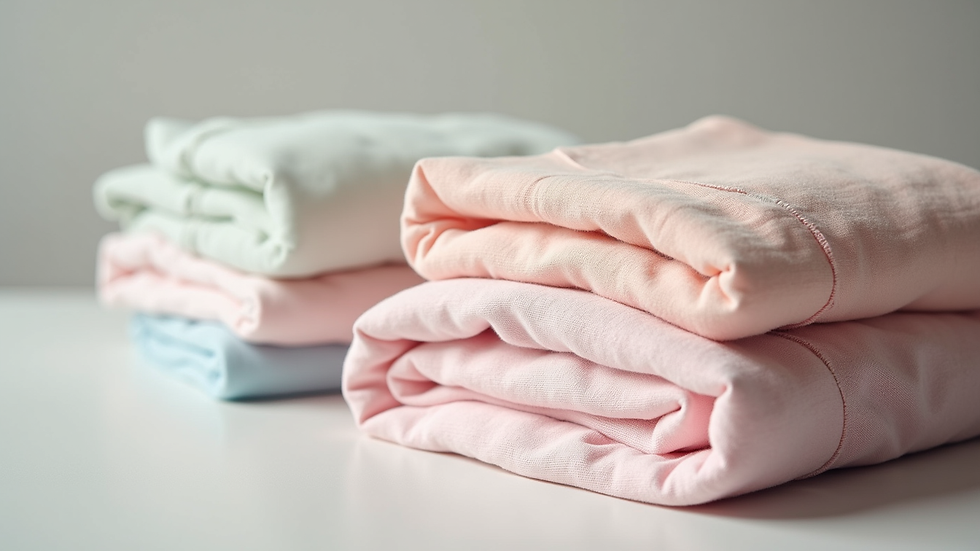
How to Plan Your Baby Clothes Budget Wisely
Budgeting for baby clothes can feel overwhelming, but it doesn’t have to be. Start by setting a clear spending limit based on your overall baby budget. Then, break it down by categories like everyday wear, special occasions, and seasonal items.
Here’s a simple way to plan:
Estimate the number of outfits needed per size. For example, 7-10 onesies, 5-7 pants, 3-4 sleepers.
Decide which items you want new and which can be secondhand. New sleepers might be preferred for hygiene, but pants and shirts can often be bought used.
Allocate funds for essentials first. Prioritize basics like bodysuits, socks, and hats.
Leave a small buffer for unexpected needs. Babies can be messy, and you might need extra clothes during growth spurts.
Tracking your spending helps you stay on target. Use a simple spreadsheet or a budgeting app to record purchases. This way, you avoid impulse buys and focus on what your baby truly needs.
Do 3 Month Baby Clothes Go with 0-3 or 3-6?
This question comes up a lot, and it’s important to understand sizing to avoid buying too many clothes that don’t fit. Baby clothes sizes can vary by brand, but generally:
0-3 months size fits newborns up to about 12 pounds.
3-6 months size fits babies from about 12 to 17 pounds.
Three-month-old babies often fall right between these sizes. If your baby is on the smaller side, 0-3 months clothes might still fit well. If they are growing quickly or are larger, 3-6 months clothes will be more comfortable.
To be safe, I recommend buying a few pieces in both sizes. This way, you have options as your baby grows. Also, look for clothes with stretchy fabrics or adjustable features like snaps and elastic waistbands. These details help clothes last longer through growth spurts.

Tips for Buying Quality Baby Clothes on a Budget
Quality matters when it comes to baby clothes. Soft, durable fabrics keep your baby comfortable and make laundry easier. Here’s how to find quality without overspending:
Choose natural fibers like cotton. They are gentle on sensitive skin and breathable.
Check seams and stitching. Well-made clothes last longer and withstand frequent washing.
Avoid clothes with too many embellishments. Simple designs are safer and often more durable.
Buy from trusted local shops or consignment stores. You can inspect items in person and avoid surprises.
Consider multi-packs. Buying sets of onesies or socks can be cheaper than individual pieces.
Remember, investing in a few good-quality basics pays off. They stay in good shape longer and keep your baby happy.
How to Make the Most of Hand-Me-Downs and Consignment Finds
One of the best ways to save money is by accepting hand-me-downs or shopping at consignment stores. These options are budget-friendly and eco-friendly.
Here’s how to make the most of them:
Inspect clothes carefully. Check for stains, holes, or worn-out areas.
Wash everything before use. Use gentle detergent to protect your baby’s skin.
Mix hand-me-downs with new items. This keeps your baby’s wardrobe fresh and functional.
Donate or pass on clothes your baby outgrows. This helps build a community of sharing and sustainability.
At places like Holden Kid Co., you can find a great selection of gently loved children’s items. Supporting local consignment shops helps families save money and reduces waste.
Final Thoughts on Smart Baby Clothes Budgeting
Budgeting for baby clothes doesn’t have to be stressful. With a little planning and smart shopping, you can dress your baby comfortably and stylishly without overspending. Focus on essentials, buy quality basics, and take advantage of sales and secondhand options.
Remember, your baby’s happiness and comfort matter most. Clothes are just one part of the journey, and saving money on them means more resources for other important needs.
Enjoy this special time and know that you’re doing a great job managing your baby’s wardrobe wisely.


Comments